One of the most dangerous aspects of winter weather is ice on steps and walkways. It's bad enough to think about a family member or loved one slipping and injuring themselves, yet alone the risks of a stranger slipping and falling. Depending on local regulations and the circumstances of the incident, you could be held liable for any injuries that occur on your property. When it comes to ice removal and prevention, there are many de-icing materials available. When used these materials can potentially cause harm to your pets, flooring in your home, plants, and hardscaping such as patios, walkways or driveways made from concrete or other masonry materials. It's important to be aware of the effects of your de-icing material of choice to help you take preventative measures to protect the things you love most at home.
Table of Contents
- How De-Icing Materials Work
- Negative Effects of Salt as a De-Icing Material
- Vegetation
- People
- Pets
- Protecting Your Pets from Road Salt
- Wildlife
- Birds
- Mammals
- Habitats
- Aquatic Life
- Rock Salt Alternatives
- Sand
- Calcium Magnesium Acetate
- Calcium Chloride
- Magnesium Chloride
- Potassium Acetate
- Pet Friendly Alternatives
- Urea
- Alfalfa Meal
- Sugar Beet Juice or Corn Solution
- Other Pet Friendly Options
How De-Icing Materials Work
Salts and other de-icing materials are effective against ice because they lower the freezing point of water. When these materials reduce the freezing point of water, the ice returns to liquid water and can withstand colder temperatures before refreezing. This process creates a very salty brine, or solution of salt and water. Runoff water with elevated levels of salt can have negative effects on nearby plants, people, pets and other wild animals.
Negative Effects of Salt as a De-Icing Material
According to the EPA, the most commonly used de-icing material in the U.S. is Sodium Chloride or Salt. Each year approximately 15 million tons of de-icing rock salt is used across the U.S. to combat icy road conditions. This number doesn't include the amount of salt used on private property by home and business owners. This much of any material added to the environment will have side effects. When rock salt is used for de-icing, the runoff created can contribute to elevated levels of chloride in ground and surface water. Most water is filtered naturally as it travels through soil and sediments. Chloride however is not naturally filtered by this process and stays with the water through its entire journey. For this reason, it's important to manage highway de-icing near sources of drinking water, as this can lead to contamination.
- Effects of Elevated Salt Levels on Vegetation
Elevated levels of salt in runoff water can render nearby soil infertile. Salt absorbs water at a rapid rate and when present in soil at elevated levels it competes with plants for moisture. This can create drought-like conditions for vegetation, even though there may be plenty of water in the soil. In addition to these drought-like conditions, the sodium and chloride ions of the salt break down in the water, thus making the chloride easier to absorb by the plants root system. As this chloride builds up in the plant's leaves, it will eventually reach toxic levels causing leaf scorch or leaf burn. This is when plant tissues begin to brown including the leaf margins and tips, and is usually accompanied by yellowing or darkening of the veins. Alternatively, when the brine is sprayed or splashed onto nearby plant life, the salt can enter their cells. If salt enters the plants cells, it will reduce its ability to survive through cold weather.
- Effects of Elevated Salt Levels on People
Excess salt doesn't affect humans as drastically as animals and plant life, but when found in high enough quantities in the environment, it can cause issues by seeping into local water supplies. People that are at risk for high blood pressure are especially at risk if elevated salt levels are found in their local drinking water. City water supplies can become so polluted with excess salt that they need to be temporarily shut down. Another health risk posed by road salt seeping into local water supplies is caused by the sodium ferrocyanide that is added to rock salt to prevent it from clumping during storage. By itself it isn't very toxic, but when exposed to heat and acidity it can produce toxic cyanide compounds.
- Effects of Elevated Salt Levels on Pets
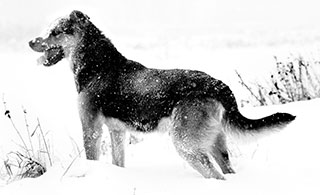
Rock salt is toxic to most of our pets at home. Keeping an eye on whether or not they are ingesting too much salt is extremely important. In the winter months it can be difficult to monitor this if you're not sure what to look for. When pets walk on a sidewalk that has been treated with rock salt to remove ice, there is a risk of salt pellets being trapped in-between the pads on their paws. This can be extremely painful to your pet and can lead to irritation or burns on or in-between their pads. When salt is used to de-ice surfaces, the brine created from the melting of the ice leaves behind a salty film or coating on the surface when the water evaporates. This salty film can coat the bottom of your pet's paws and cause them to dry out and become irritated. If your pet starts limping or licking their feet more frequently after going for walks in winter conditions'this could be a sign of GÇ£salty paws.GÇ¥ This is important to watch for, as salt in high quantities is toxic to dogs and will irritate their digestion. There is also the risk of cyanide compounds or other contaminates found in the salt poisoning your pet as well.
Protecting Your Pets from Road Salt
Since we can't control what de-icing materials are used by our neighbors or the city we live in, it's best to try and avoid any walkways or roads that have been treated for ice when taking your pet for a walk. This might not be easy depending on where you're located. Don't worry, there are a couple things you can do to protect your beloved pet from the dangers of rock salt.
- Wash and dry your pets feet as soon as you return from your walk. Make sure you use warm water, do not use hot water. This extreme temperature change can cause harm to your pet's paws.
- If your pet will tolerate them, boots or pet shoes are a great defense against harmful de-icing materials and the cold. If not, using a natural cream or wax based paw protection product that you can apply before going on your walk is a great alternative.
- Make sure you treat any paw abrasions immediately! Letting an injury like that remain untreated can lead to infection.
- Effects of Elevated Salt on Wildlife
The use of rock salt as a de-icer has a variety of negative effects on the wildlife in your region. Birds are among the most sensitive species of wildlife to salt. The salt crystals that are spread to remove ice are often confused as seeds and are ingested by birds. Ingesting even small quantities of salt can cause toxicosis and death in your local bird population.
Mammals such as deer and moose are attracted to the salt crystals and salty puddles in the road, leading to increased rates of car accidents and wildlife fatalities. Many animals rely on and drink snowmelt as a means of hydration in the winter months and during the transition from winter to spring. When rock salt is used in the area to de-ice road ways it leads to increased levels of salt in the snow melt. When animals drink this snow melt it can potentially cause salt toxicity. Symptoms of this can include dehydration, confusion and weakness.
As we mentioned earlier, salt can be very harsh on the environment. These effects trickle down and affect animal populations as well. When salt damages vegetation in certain areas, it can have a significant impact on the natural habitat of the area. Food resources, shelters, breeding and nesting sites can all be at risk of being destroyed. When this happens it can create a favorable environment for foreign invasive species.
Since ice melt runoff seeps through to our ground and surface water, aquatic life is especially at risk in regions that use rock salt as a means to de-ice their roadways. As we now know, chloride doesn't get naturally filtered from runoff like other heavy metals and contaminants. This leads to an increase in chloride levels in ground and surface water. This can be toxic to many forms of aquatic life including fish, macroinvertebrates, insects and amphibians. This toxicity increases when chloride is associated with other cations such as magnesium or potassium. This occurs when the ions of the salt have dissolved and traveled at different rates. Increases in salinity levels in ground water can also be noticeable and can affect sensitive species of fresh water aquatic life. When fresh waters increase in salinity it can also release toxic metals from sediment that can inhibit nutrients and dissolve oxygen in the water, which the aquatic species rely on.
Rock Salt Alternatives
While being the most common and cheapest de-icing material, rock salt can be very damaging to the surrounding environment, which has sent many people searching for alternatives. With the wide array of options in de-icing materials, the decision of which material to use comes down to balancing your needs for environmental safety with cost. If you're a pet owner, have a lot of landscaping and plant life near your drive or walk ways or along your roads, or are near wildlife preserves, it's important to choose an environmentally friendly de-icing option.
- Sand as a De-Icing Material
Is typically used as an additive to other de-icing materials, as it doesn't melt ice itself. It does provide traction on ice's slippery surface and one of the major benefits of using sand is the cost. Sand is much cheaper than its de-icing counterparts, and when mixed with other materials, it can help you use less de-icing material while still effectively melting ice and providing traction. But this isn't a magical answer! Increased use of sand can have negative impacts on the environment as well. When used in large amounts, it can clog storm drains, forcing cities and municipalities to have to pay for cleanup or risk flooding problems. As it becomes embedded in snow and ice, it loses its effectiveness driving some people to use more. When it makes its way to local water ways and streams it can begin to cloud them up which prevents sunlight from reaching aquatic plants and burying life on the stream bed.
- Calcium Magnesium Acetate as a De-Icing Material
Some people refer to this choice as being one of the most eco-friendly de-icers on the market. Though it isn't completely neutral to wildlife, it has a low toxicity to plants and microbes and is also less corrosive to steel. The big draw backs to this material are its cost and the amount needed to achieve effective results. This de-icing solution can also lower dissolved oxygen levels in soils and water bodies, which can potentially harm aquatic life.
- Calcium Chloride as a De-Icing Material
This is a great alternative for salt in areas where the temperature drops below 0-¦F (-18-¦C) and in areas that have high levels of sodium in source water. This de-icing material is eff